US
US 


You’re exhausted but can’t sleep. Your heart races during ordinary moments. Small annoyances trigger reactions that surprise even you. These experiences often point to a nervous system that’s stuck in survival mode, responding to everyday life as though danger is constant.
Your fight-or-flight response exists to protect you, but when it won’t switch off, it creates a cascade of physical and emotional symptoms that can feel overwhelming. This guide walks you through how to recognize the signs, understand why your body gets stuck in this state, and discover practical ways to help your nervous system find its way back to calm.
What it means when your body is stuck in fight-or-flight
Being stuck in fight-or-flight means your nervous system is constantly activated. You might feel “wired and tired” at the same time, notice persistent muscle tension in your jaw or shoulders, breathe in shallow patterns, and experience a rapid or pounding heart rate even when you’re sitting still. Chronic anxiety, digestive problems, hypervigilance, and feeling overwhelmed by minor stressors are also common signs.
Your fight -or-flight response is an involuntary evolutionary mechanism designed to protect you from danger. When your brain perceives a threat, your sympathetic nervous system, the branch that controls stress responses, floods your body with hormones that increase your heart rate, sharpen your focus, and prepare your muscles to act.
In a healthy scenario, this response kicks in briefly and then switches off once the danger passes. Your body returns to a calm state, and you go about your day. However, for many people, the alarm system never fully turns off.
Here’s the challenge: your brain can’t always tell the difference between a genuine threat and the chronic pressure of work deadlines, money worries, or relationship tension. When stressors feel constant, your nervous system can interpret them as ongoing danger, and it responds accordingly, by staying on high alert.
Common triggers that keep the fight or flight response activated include:
- Unresolved past trauma or painful memories
- Ongoing work pressure or job insecurity
- Financial stress and uncertainty
- Relationship conflicts or feelings of isolation
- Overstimulation from screens and constant connectivity
- Sleep deprivation and irregular schedules
8 Signs Your Nervous System is Stuck in Fight-or-Flight
When your nervous system stays on high alert for too long, the effects show up across your emotional, physical, and mental experience. Recognizing fight-or-flight response symptoms is the first step toward finding relief.
- Persistent anxiousness and feeling on edge
You might feel a constant sense of dread or worry, even when nothing specific is wrong. This isn’t the same as feeling nervous before a job interview or first date. Instead, it’s a background hum of unease that follows you through ordinary moments, making coffee, driving to work, lying in bed at night.
Your body feels like it’s bracing for something bad to happen, even in completely safe environments.
- Difficulty sleeping or relaxing
An overactive fight-or-flight response makes winding down feel nearly impossible. You might experience racing thoughts at bedtime, wake up multiple times during the night, or sleep for eight hours and still feel exhausted in the morning.
Your nervous system is essentially standing guard when it could be allowing you to rest and recover.
- Unexplained digestive issues
When your body perceives threat, it diverts energy away from digestion to fuel your muscles and brain. Over time, this creates real problems in your gut.- Bloating: slowed gut motility means food moves through your system more slowly
- Cramping: muscle tension extends to your digestive tract
- Constipation: reduced digestive function during prolonged stress disrupts normal bowel movements
- Fatigue paired with restlessness
Here’s a frustrating paradox many people experience: feeling completely exhausted yet unable to truly rest. This happens because your body is expending constant energy to maintain high alert, even when you’re not doing anything physically demanding.
You’re running on fumes while your engine keeps revving.
- Emotional reactivity and irritability
Small inconveniences suddenly feel like major problems. You might snap at loved ones over minor issues or feel intense frustration at things that wouldn’t have bothered you a few months ago, a slow driver, a misplaced phone charger, a coworker’s offhand comment.
This reactivity signals that your nervous system perceives everything as a potential threat, so it responds with disproportionate intensity.
- Hypervigilance and difficulty focusing
Hypervigilance means constantly scanning your environment for danger, even when you’re safe at home on your couch. Your attention jumps from one thing to the next, making it hard to concentrate on a single task or follow a conversation.
You might start projects and abandon them, reread the same paragraph multiple times, or forget what you walked into a room to do.
- Physical tension and chronic pain
Your body braces for threats that never arrive, creating persistent muscle tension. Common areas include jaw clenching (especially at night), tight shoulders, tension headaches, and lower back pain.This physical holding pattern can become so familiar that you don’t even notice it anymore, until someone points out that your shoulders are up by your ears.
- Feeling disconnected from yourself or your surroundings
Sometimes the nervous system responds to overwhelm by creating distance. You might feel numb, detached, or like you’re watching your life from outside yourself. Colors might seem duller, conversations might feel like they’re happening behind glass.
This dissociation is actually a protective response, though it can feel unsettling and isolating.
What happens when you have a chronic fight-or-flight response
Staying in this state takes a real toll on your health. Cortisol, your primary stress hormone, is meant to spike briefly during moments of danger and then return to normal levels. When cortisol stays elevated day after day, the consequences accumulate.
| Short-term fight response | Chronic fight or flight response |
| Increased alertness | Constant anxiety and hypervigilance |
| Temporary energy boost | Persistent fatigue and burnout |
| Paused digestion | Ongoing gut problems |
| Quick recovery to calm state | Inability to return to rest and digest mode |
Long-term effects can include weakened immune function, hormonal imbalances, and increased vulnerability to anxiety and depression. Your body simply wasn’t designed to run on high alert indefinitely, and eventually, systems start to break down.
How to Calm Your Nervous System: Breaking the Fight or Flight Cycle
Breaking the cycle requires consistent practices that signal safety to your nervous system. These aren’t quick fixes or one-time solutions; they’re tools for building long-term resilience through daily repetition.
- Practice slow and controlled breathing exercises
Extended exhales activate your parasympathetic nervous system, the branch responsible for rest and recovery. When you exhale longer than you inhale, you send a direct signal to your brain that you’re safe.Try inhaling for a count of four, then exhaling for a count of six or eight. Even a few minutes of intentional breathing can begin shifting your body out of high alert.
- Combine movement with mindfulness
Gentle exercise paired with breath awareness helps regulate your nervous system. Walking, yoga, or simple stretching all work well, the key is staying present with your body rather than letting your mind race through your to-do list or replay stressful conversations.Try matching your breath to your steps while walking, or moving with your inhales and exhales during a yoga sequence. Focus on how your body feels during activity instead of on troubling thoughts.
- Prioritize restorative sleep
Creating a wind-down routine signals safety to your body and prepares your nervous system for recovery. Dimming lights an hour before bed, limiting screens, and keeping a consistent sleep schedule all support this process.Your body does its most important repair work during sleep, so protecting this time is essential for breaking the fight or flight cycle.
- Try vagus nerve stimulation for nervous system regulation
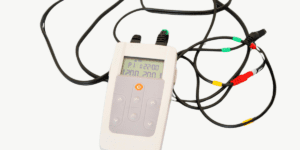
The vagus nerve is the main pathway connecting your brain to your body’s calming response. When you stimulate this nerve, you activate your parasympathetic nervous system and help shift your body out of fight or flight.Truvaga offers convenient two-minute vagus nerve stimulation sessions that fit easily into a daily wellness routine. As part of a holistic approach, vagus nerve therapy provides a drug-free way to support nervous system regulation alongside other practices like breathing exercises and movement.
- Set healthy boundaries to reduce chronic stress
Ongoing stressors perpetuate the stuck-in-fight-or-flight cycle. If your calendar is packed, your inbox is overflowing, and you’re saying yes to everything, your nervous system has no opportunity to recover.Evaluating your commitments and learning to say no when you’re overextended can reduce the constant pressure your body is responding to. Sometimes we overextend ourselves because we feel we can’t say no, even when we don’t have the energy or time.
Finding relief from an overactive fight-or-flight response
Recognizing that your nervous system is stuck in fight-or-flight is genuinely the first step toward healing. This is a physiological response, not a personal failing, not weakness, not something wrong with your character.
Recovery happens gradually, through consistent practices that teach your body it’s safe to relax. Tools like Truvaga Plus support daily nervous system regulation as part of a holistic approach to wellness, offering a simple, science-backed way to help your body find its way back to balance.
FAQs about the fight or flight nervous system
How long can you be stuck in fight-or-flight mode?
Your body can remain in a stressed state for weeks, months, or even years if underlying stressors or trauma remain unaddressed. Without active steps to regulate your nervous system, this heightened state can become your default operating mode.
Can being stuck in fight-or-flight for years cause lasting health problems?
Yes, prolonged activation of the stress response can contribute to chronic health issues, including digestive disorders, hormonal imbalances, weakened immune function, and mental health conditions like anxiety and depression.
Can VNS help with my fight-or-flight response?
Yes, vagus nerve stimulation (VNS) can help regulate an overactive fight-or-flight response by directly activating your parasympathetic nervous system—the branch responsible for calming your body. When you stimulate the vagus nerve, you send signals that help shift your body out of high alert and into a rest-and-digest state. Truvaga devices offer convenient, non-invasive VNS sessions that take just two minutes and can be used as part of your daily wellness routine. While VNS is a powerful tool for nervous system regulation, it works best when combined with other practices like breathing exercises, movement, and healthy boundaries to create lasting change over time.
How quickly can vagus nerve stimulation help calm the nervous system?
Many people notice a shift toward calm within minutes of vagus nerve stimulation. However, building long-term nervous system resilience requires consistent daily practice over time, similar to how one workout doesn’t build lasting fitness, but regular exercise does.
Author bio: