US
US 


Your body was designed to handle stress in short bursts: face the threat, then recover. But what happens when the threat never seems to end, and your nervous system forgets how to stand down?
Living on high alert takes a toll that accumulates quietly over time, affecting everything from your heart to your relationships to your ability to think clearly. This guide explores how chronic stress reshapes your body and mind, the warning signs that you’re stuck in survival mode, and practical ways to help your nervous system find its way back to calm.
What is survival mode?
Chronic stress keeps your body in a prolonged state of heightened alertness, which many call “survival mode.” Your nervous system stays activated because it can’t tell the difference between real danger and everyday pressures. This constant state of high alert was designed to protect you from immediate threats, not to become your daily baseline.
The thing is, survival mode was never meant to last. Your body expects to face a stressor, respond, and then recover. When recovery never comes, the wear and tear accumulates quietly over months and years.
How your body gets stuck on high alert
Your stress response is a finely tuned system. When it works well, it saves your life. When it gets stuck, it can slowly break down your health.
The fight-or-flight response
“Fight-or-flight” is your body’s automatic reaction to perceived danger. When your brain detects a threat, whether it’s a speeding car or an angry email from your boss, your sympathetic nervous system floods your body with stress hormones to prepare you to act.
This response evolved to help our ancestors survive predators and other immediate dangers. It’s meant to be short-lived: face the threat, then return to calm. The problem starts when your brain can’t tell when the threat has passed.
What happens when cortisol stays elevated
Cortisol, often called the stress hormone, is released during the “fight-or-flight” response. It sharpens your focus and gives you energy to respond. At the same time, cortisol slows down functions your body considers non-essential in an emergency—like digestion, immune response, and cellular repair.
Under normal circumstances, cortisol levels drop once the threat passes. Your body shifts into “rest-and-digest” mode, where it can focus on maintenance: regulating hormones, flushing toxins, healing tissues, and processing food. But when cortisol stays elevated, your body never gets the chance to do this important work.
Why the stress response gets stuck
Trauma, ongoing life pressures, or prolonged anxiety can keep your nervous system locked in high alert. Over time, your brain may lose the ability to recognize when it’s safe to relax.
Let’s say you went through a difficult divorce two years ago. Even though the legal proceedings are over, your heart still races when you see an email from your ex. The stress is imprinted in your memory, and that’s enough reason for your brain to keep its defenses up.
Modern stressors like work deadlines, financial strain, and relationship tension can trigger the same biological response as physical danger. Even though a looming deadline isn’t life-threatening, your body reacts as if it is.
What are signs you are stuck in survival mode
Recognizing the signs of chronic stress is the first step toward change. Here’s what to watch for:
- Constant anixousness and inability to relax: You might feel a persistent sense of unease, even when nothing is obviously wrong. Winding down at the end of the day feels nearly impossible, and your mind keeps scanning for the next problem.
- Overreacting to minor stressors: Small inconveniences like a traffic jam, a misplaced phone, or a slow internet connection trigger intense emotional responses. You may feel on edge or startle easily at unexpected sounds.
- Unexplained fatigue and exhaustion: Maintaining a state of high alert uses enormous amounts of energy. Even with eight hours of sleep, you might wake up feeling drained. Your body is working overtime just to stay vigilant.
- Digestive problems and gut issues: Stress suppresses digestive function, which can lead to cramping, bloating, constipation, or stomach pain. Your gut often reflects what’s happening in your nervous system: when you’re on high alert, digestion takes a back seat.
- Sleep disturbances: Falling asleep or staying asleep becomes difficult when your body can’t shift out of alert mode. Racing thoughts at bedtime are common, and you may wake up multiple times throughout the night.
- Difficulty concentrating: Mental fog, trouble focusing, and memory lapses in daily tasks are hallmarks of a nervous system stuck in survival mode. You might read the same paragraph three times without absorbing it.
Long-term physical effects of chronic stress
When stress becomes chronic, the body pays a steep price. The effects accumulate gradually, often without obvious warning signs, until significant damage has occurred.
Cardiovascular damage and heart disease risk
Prolonged exposure to stress hormones strains your heart and blood vessels. Your heart beats faster, your blood pressure stays elevated, and over time, this constant strain can contribute to heart disease.
Weakened immune function
Your body deprioritizes immune response when it’s focused on survival. This leaves you more susceptible to colds, infections, and other illnesses. Wounds may heal more slowly, and you might find yourself getting sick more often than usual.
Hormonal imbalances
Chronic stress disrupts the delicate balance of hormones throughout your body. This can affect:
- Reproductive hormones: Leading to irregular cycles, low libido, or fertility challenges
- Thyroid function: Contributing to metabolism changes and energy fluctuations
- Insulin regulation: Affecting blood sugar stability and weight management
Chronic pain and inflammation
Stress contributes to systemic inflammation, which can manifest as headaches, back pain, and muscle tension that never quite goes away. Many people carry stress in their shoulders, neck, or jaw without realizing the connection.
Mental and emotional effects of chronic stress
The brain is especially vulnerable to the effects of prolonged stress. Changes in brain chemistry and structure can affect how you think, feel, and relate to others.
Increased risk of anxiety and depression
Extended cortisol exposure alters brain chemistry and increases the likelihood of mood disorders. What starts as situational stress, worry about a job or relationship, can evolve into clinical anxiety or depression over time.
Memory problems and cognitive decline
Chronic stress affects the hippocampus and prefrontal cortex: brain regions responsible for memory and decision-making. You might notice difficulty recalling information, making choices, or thinking clearly under pressure.
Emotional dysregulation and mood swings
Heightened reactivity and irritability are common when your nervous system is already overwhelmed. Small frustrations feel enormous, and managing emotions becomes harder. You might snap at loved ones or feel tearful without a clear reason.
Why chronic stress damages relationships
Survival mode prioritizes self-protection over connection. When you’re stuck on high alert, your brain is scanning for threats, not looking for opportunities to bond with others.
This can show up in relationships as:
- Communication breakdowns: Difficulty expressing your needs or listening patiently to others
- Increased conflict: Overreacting to minor disagreements or perceived slights
- Emotional distance: Pulling away from loved ones to conserve energy
- Trust issues: Hypervigilance can make you suspicious of others’ motives, even when there’s no reason to be
Over time, the people closest to you may feel shut out or confused by your reactions. Relationships that once felt easy can become strained.
Why stress awareness matters
Recognizing that you’re stuck in “survival mode” is the first step toward change. When you can name what’s happening in your body, you gain the ability to respond differently.
Awareness allows you to intervene before long-term damage takes hold. Instead of feeling helpless or confused by your symptoms, you can connect the dots between your stress and your health. From there, you can take targeted action to support your nervous system.
How to break free from survival mode
Breaking the cycle of chronic stress is possible with consistent effort and the right tools. The goal is to help your nervous system learn that it’s safe to relax again.
1. Practice slow and controlled breathing
Deep, slow breathing activates your parasympathetic nervous system—the branch responsible for calming you down. When you feel panicked or overwhelmed, try inhaling slowly through your nose, then exhaling for even longer through your mouth. This simple technique signals safety to your brain.
2. Incorporate movement and mindful exercise
Physical activity helps metabolize stress hormones that have built up in your body. Walking, swimming, or yoga can all be effective. To amplify the calming effect, try matching your breath to your movement—inhale for two steps, exhale for three. Focus on how your body feels during activity, rather than on troubling thoughts.
3. Support your vagus nerve
The vagus nerve is the key pathway connecting your brain to your body’s relaxation response. It runs from your brainstem through your neck and into your chest and abdomen, carrying signals that tell your body when it’s safe to calm down.
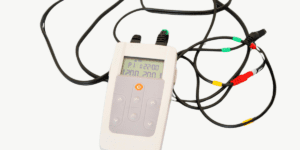
Stimulating the vagus nerve can help shift your body out of “fight-or-flight”. Targeted vagus nerve stimulation offers a direct, efficient approach to activating calm. Devices designed for this purpose, like Truvaga, can deliver consistent support in just minutes a day, complementing other stress management practices.
4. Work with a healthcare professional
Collaborating with a mental health provider can help you develop personalized approaches, especially if your stress is rooted in trauma. A therapist can also help with boundary setting—sometimes we overextend ourselves because we feel we can’t say no, even when we don’t have the energy or time.
Reclaiming calm with science-backed solutions
Breaking free from survival mode is a journey, not a single event. Consistent daily practices can help your nervous system learn to regulate again. The key is finding tools and habits that fit into your life and using them regularly.
Truvaga offers a convenient, drug-free option for daily vagus nerve support. Quick, consistent sessions fit seamlessly into your routine and complement breathing exercises, movement, and professional support.
FAQs about chronic stress and survival mode
What is the difference between normal stress and chronic stress?
Normal stress is a short-term response to a specific challenge that resolves once the situation passes. Chronic stress persists over time and prevents your body from returning to a calm, restorative state. The difference lies in duration and recovery—not intensity.
How do you reset your nervous system?
Resetting your nervous system requires consistent, targeted practices that signal safety to your brain. Slow, controlled breathing — particularly with extended exhales — activates the parasympathetic nervous system and helps counteract the stress response. Regular mindful movement like walking, yoga, or swimming helps metabolize built-up stress hormones. Supporting your vagus nerve, the key pathway responsible for triggering your body’s relaxation response, is another effective approach. Vagus nerve stimulation devices, like Truvaga, offer a convenient, drug-free way to support this process daily. Working with a mental health professional can also help address deeper trauma or patterns that keep your nervous system on high alert.
What are the signs that you are stuck in survival mode?
Common signs include persistent anxiety and an inability to relax, overreacting to minor inconveniences, unexplained fatigue even after a full night’s sleep, digestive issues like bloating or cramping, difficulty falling or staying asleep, and trouble concentrating or retaining information. You may also notice increased irritability, emotional mood swings, and a tendency to withdraw from relationships. If several of these symptoms sound familiar and have persisted for weeks or months, your nervous system may be stuck in a chronic stress response.
What are the top vagus nerve stimulators for stress and anxiousness?
Top vagus nerve stimulators for stress are non-invasive handheld devices designed to gently activate the vagus nerve and support relaxation. The best options are easy to use, backed by research, and fit into short daily routines. Wellness-focused devices like Truvaga are often considered for quick at-home sessions.
Author bio: