US
US 

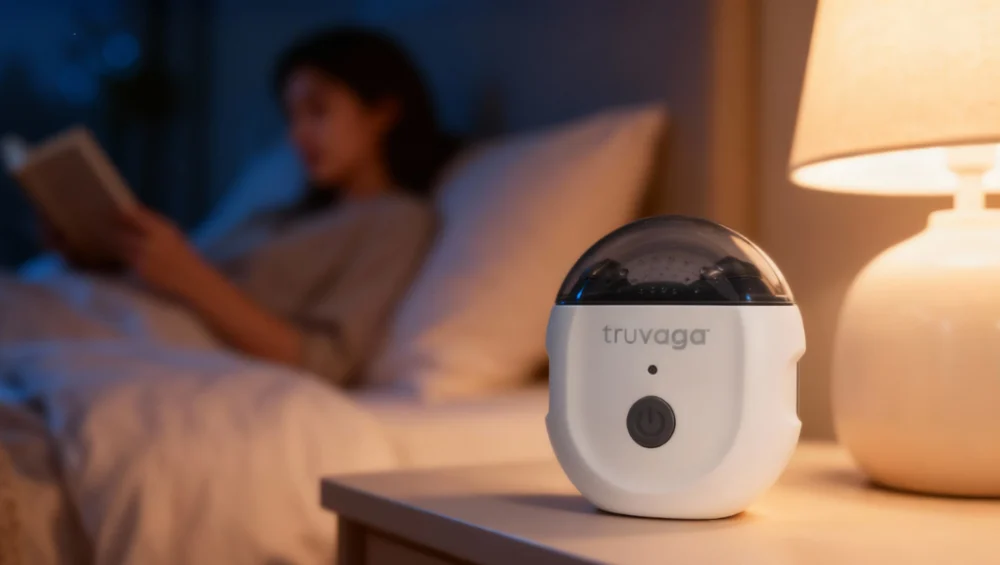
Stress and sleep problems often feed each other in a frustrating loop—you can’t sleep because you’re stressed, and you’re more stressed because you can’t sleep. Vagus nerve stimulation (VNS) offers a way to interrupt that cycle by working directly with your nervous system.
This guide walks you through how VNS devices work, what to look for when choosing one, and how to find the right fit for your daily routine.
What Is Vagus Nerve Stimulation
Vagus nerve stimulation sends gentle electrical pulses to the vagus nerve, the longest cranial nerve in your body. This nerve runs from your brainstem down through your neck and into your abdomen, acting as the main communication line between your brain and your internal organs. It plays a central role in regulating heart rate, digestion, and how your body responds to stress.1
External vagus nerve stimulators are non-invasive devices designed for home use. Unlike implanted medical VNS devices that require surgery, at-home options target the vagus nerve through the skin on your neck or ear. They offer a drug-free way to activate your body’s natural calming response.
How Vagus Nerve Stimulation Helps with Sleep and Stress
Think of the vagus nerve as your body’s “calm down” switch. When it’s activated, your nervous system gets the signal to shift out of high-alert mode and into a more relaxed state. This shift is what makes VNS helpful for both stress and sleep.
Activating the Parasympathetic Nervous System
Your autonomic nervous system has two main branches. The sympathetic branch handles “fight-or-flight” responses, while the parasympathetic branch manages “rest-and-digest” functions. Vagal stimulation tips the balance toward the parasympathetic side, telling your body it’s safe to relax.1, 2
Reducing Cortisol and the Stress Response
When you’re chronically stressed, your body keeps releasing cortisol—the hormone that keeps you on edge and ready to react. VNS helps interrupt this cycle by activating pathways that lower cortisol production. Over time, regular vagal stimulation can help break the pattern of constant alertness that leaves you feeling drained and wired.2, 3
Promoting Deeper and More Restful Sleep
A calm nervous system is essential for quality sleep. When your body isn’t stuck in stress mode, falling asleep becomes easier. Many people find that using a vagus nerve stimulator before bed helps quiet racing thoughts and prepares the body for deeper, more restorative rest.2
Do Vagus Nerve Stimulation Devices Work
This is usually the first question people ask, and it’s a fair one. The short answer is yes—but results vary depending on the device and the person using it.
Clinical research supports external VNS for stress reduction and sleep improvement, though the strength of evidence differs across products.4 Some devices are backed by peer-reviewed studies and partnerships with research institutions, while others rely primarily on customer testimonials. Truvaga Plus, for example, has clinical backing from collaborations with leading institutions. For a deeper look at the science, read our full guide: Does Vagus Nerve Stimulation Work?
What to Look for in the Best Vagus Nerve Stimulator
Not all vagus nerve devices deliver the same results. Here’s what to consider when comparing your options.
Clinical Evidence and Research Backing
Look for devices with peer-reviewed studies or partnerships with research institutions. Marketing claims are easy to make, but clinical validation takes real work. A device backed by published research gives you more confidence that it actually does what it promises.
Effectiveness for Stress Relief and Sleep Quality
“Effectiveness” means different things to different people. Some devices excel at helping you fall asleep faster, while others focus more on daytime calm. Consider whether the device has demonstrated results for the specific benefits you’re looking for.
Ease of Use and Session Length
The best device is one you’ll actually use consistently. Some handheld vagus nerve stimulators offer sessions as short as two minutes, making them easy to fit into a morning routine or bedtime ritual. Others require longer sessions or more complicated setup.
Comfort and Device Design
Vagus nerve devices come in several forms: handheld units you hold against your neck, wearables that wrap around your neck, and earpiece-style options. Neck-based stimulators are generally thought to be more effective because they target the vagus nerve directly, while ear-based devices stimulate the auricular branch, a smaller offshoot of the nerve with fewer vagal fibers.2, 3
Comfort matters, but it shouldn’t come at the expense of effectiveness. The most comfortable device won’t help if it doesn’t actually stimulate the vagus nerve properly. Look for a design that balances both, one that targets the nerve effectively while still fitting naturally into your routine. If a device is awkward or uncomfortable, you’re less likely to use it regularly, but if it doesn’t work, consistency won’t matter anyway.
Total Cost and Value
Beyond the upfront price, consider whether the device requires gel, replacement electrodes, or app subscriptions. Ongoing costs add up over time, so factor them into your decision.
Safety Standards and FDA Clearance
While most external vagus nerve stimulators for wellness don’t have FDA clearance themselves, some are built on technology that does. For example, Truvaga Plus uses technology developed by electroCore, which has FDA-cleared and military-grade products for medical applications. This means the underlying technology has met rigorous safety standards, even if the wellness device itself isn’t FDA-cleared. When evaluating devices, look into whether the core technology has regulatory backing, it’s a good indicator that the device meets certain safety benchmarks.
Understanding Your VNS Device Options
Each type of vagus nerve stimulator works a bit differently. Here’s a breakdown of the main categories to help you find the right fit.
Handheld Neck Stimulation Devices
Handheld devices target the vagus nerve directly through the side of your neck during short, focused sessions. You hold the device in place for a few minutes while it delivers gentle electrical pulses to the main vagal trunk, the most direct pathway for stimulation. This targeted approach tends to produce more consistent activation compared to indirect methods.
Truvaga Plus is a handheld vagus nerve stimulator with app-enabled sessions and clinical backing from research institutions. Sessions take just two minutes, making it easy to fit into any routine, and every purchase includes a 30-day money-back guarantee.
Wearable Neck Devices
Some devices wrap around your neck and operate hands-free. They typically connect to smartphone apps that guide you through programs for stress relief and sleep support. The hands-free design lets you relax or do other things during your session, though the fit and electrode placement can vary depending on neck size and shape. These devices often require longer treatment times compared to handheld options.
Ear-Based Stimulation Devices
Vagus nerve ear (auricular) stimulation devices deliver gentle pulses through the ear, where smaller branches of the vagus nerve are accessible. Some come in earbud form and integrate with music, while others are compact handheld units you position near the ear. Ear-based options tend to be portable and discreet, though they stimulate the auricular branch rather than the main vagal pathway. Like wearable neck devices, ear-based stimulators often require longer session durations compared to direct neck stimulation.
Choosing the Right Device Type for You
The best vagus nerve stimulator depends on your preferences and daily routine. A few questions to consider:
- Do you want direct stimulation of the main vagal trunk, or are you comfortable with indirect approaches?
- Are you looking for quick, focused sessions, or do you prefer longer, hands-free experiences?
- Does the device have clinical research behind it?
- Do you want app-guided programs and progress tracking?
- Are there any ongoing costs, such as app subscriptions, replacement electrodes, or gel?
- Will you use it mainly at home, or do you want something travel-friendly?
Who Can Benefit from a Vagus Nerve Stimulator
Vagus nerve stimulation can be a valuable tool for many people, though it’s not the right fit for everyone.
Ideal Candidates for Non-Invasive VNS
- Chronic stress sufferers: People experiencing ongoing tension, worry, or overwhelm
- Sleep difficulty: Those who struggle to fall asleep or stay asleep through the night
- Wellness seekers: Anyone looking for drug-free tools to support mental clarity and calm
- Busy professionals: People who want quick, convenient stress relief that fits into packed schedules
Who May Want to Consult a Doctor First
People with pacemakers, implanted medical devices, certain heart conditions, or who are pregnant may want to speak with a healthcare provider before using a vagus nerve stimulator. If you’re unsure whether VNS is appropriate for you, a quick conversation with your doctor can provide clarity.
Safety and Side Effects of External Vagus Nerve Stimulators
External vagus nerve stimulators are generally well-tolerated.2 Still, it helps to know what to expect.
Common Side Effects of VNS Devices
- Mild tingling: A normal sensation at the stimulation site during use
- Skin irritation: Possible redness from electrode contact, usually temporary
- Temporary discomfort: Often resolves by adjusting the intensity setting or device placement
Precautions and Contraindications
If you have a pacemaker, implanted defibrillator, or other electronic medical device, consult your doctor before using an external vagus nerve stimulator. The same applies if you have a history of seizures, low blood pressure, or are pregnant.
How to Use a Vagus Nerve Stimulator at Home
Getting started with vagus nerve stimulation is straightforward. Here’s what a typical session looks like.
Find a Quiet and Comfortable Space
Choose a calm spot where you won’t be interrupted. A relaxed environment helps you get the most from your session.
Position the Device on Your Neck or Ear
Proper placement varies by device type. Follow the manufacturer’s instructions to ensure good contact between the electrodes and your skin.
Select Your Session and Intensity Level
Most devices offer adjustable intensity settings. Starting at a lower level and gradually increasing allows you to find what feels comfortable.
Relax and Breathe During Stimulation
Slow, deep breathing during your session enhances parasympathetic activation. Think of it as giving your nervous system a double dose of calm.
Build a Consistent Daily Routine
Regular use tends to produce better results than occasional sessions. Many people find that morning and evening sessions work well—one to start the day calm, another to wind down before bed.
Find the Best Vagus Nerve Stimulator for Your Wellness Routine
Choosing the right vagus nerve stimulator comes down to your individual needs, lifestyle, and preferences. Devices with clinical backing, easy-to-use designs, and session lengths that fit your routine tend to deliver the most consistent results.
The best device is one you’ll use regularly—and one that actually helps you feel calmer and sleep better.
FAQs About Vagus Nerve Stimulation for Stress and Sleep
What is the best vagus nerve stimulation device?
The best vagus nerve stimulation device depends on your goals, comfort preferences, and how you plan to use it.
When comparing options, look for:
- Clinical validation and safety profile
- Ease of use and session length
- Stimulation location (cervical vs auricular)
- Intended use: wellness, relaxation, or medical applications
For those seeking a non-invasive, wellness-focused option designed for short, easy sessions at home, devices like Truvaga are often considered because they have clinical research demonstrating proven vagus nerve stimulation and are designed to support relaxation, stress resilience, and overall nervous system balance.
How does vagus nerve stimulation affect sleep quality over time?
Regular vagus nerve activation can help the nervous system establish a more consistent relaxation pattern. Over several weeks of consistent use, many people notice deeper, more restorative sleep, fewer nighttime awakenings, and a calmer mind at bedtime. Integrating VNS into a bedtime routine can enhance these benefits by signaling the body to shift out of stress mode before sleep.
Are there other ways to enhance the effect of vagus nerve stimulation?
Absolutely. Combining VNS with practices like slow diaphragmatic breathing, meditation, gentle yoga or stretching, and mindfulness exercises can strengthen parasympathetic signaling. These complementary strategies help your nervous system maintain balance between sessions and can amplify the calming and restorative effects of VNS.
What makes Truvaga Plus different from other VNS devices?
Truvaga Plus is a handheld, non-invasive vagus nerve stimulator with clinical backing from research institutions. Its app-guided sessions are short, typically just a few minutes, and target the neck’s vagus nerve directly. This design makes it easy to integrate into daily routines, providing consistent stress relief, improved sleep support, and overall autonomic balance in a convenient, user-friendly format.
Is it safe to use a VNS device daily at home?
For most healthy adults, daily short sessions are safe and well-tolerated. Mild tingling, temporary skin redness, or slight discomfort at the stimulation site may occur initially, but these effects are generally mild and temporary. Following the manufacturer’s instructions and safety guidelines ensures proper use. People with pacemakers, implanted medical devices, heart conditions, or certain other health considerations should consult a healthcare professional before using a VNS device.
Author bio:

Truvaga Team
Calm Creators. Wellness Advocates. Everyday Guides.
A dedicated group with expertise in neuroscience, wellness, and innovation. We are passionate about helping you feel your best, sharing simple, practical tips and habits that support better sleep, a calmer mind, improved digestion, and greater focus. We’re here to help you understand the power of the vagus nerve and how small, consistent practices can make a big difference in your daily life. Connect with us on Instagram @truvaga for daily tips, inspiration, and wellness insights.References:
- Yakunina, N., Kim, S. S., & Nam, E.-C. (2017). Optimizing transcutaneous vagus nerve stimulation using functional MRI. Pleura and Peritoneum.
- Butt, M. F., Albusoda, A., Farmer, A. D., & Aziz, Q. (2021). Auricular vagus neuromodulation—A systematic review on quality of evidence and clinical effects. Frontiers in Neuroscience. https://pubmed.ncbi.nlm.nih.gov/33994937/
- Kaniusas, E., Kampusch, S., Tittgemeyer, M., et al. (2023). Transcutaneous auricular vagus nerve stimulation: Efficacy, applications, and challenges in mood disorders and autonomic regulation. Military Medicine. https://academic.oup.com/milmed/advance-article-abstract/doi/10.1093/milmed/usaf063/8089948
- Grillot, J. M., & Staats, P. S. (2025). An open-label trial of cervical non-invasive vagus nerve stimulation for the management of sleep and depressed mood. JSM Anxiety and Depression, 6(1), 1029.