US
US 


Stress can make you feel like the weight of the world is on your chest while you’re sitting in your computer chair. A dull nagging that weighs you down inside and slowly erodes your patience, health, and zest for life. No matter how stressful your daily life is, I think most of us can agree that reducing stress is at least considered.
It sounds abstract actually. “Reduce stress”, is it even possible when your external world remains stressful? Let’s dig into why at least trying to reduce your stress is worthwhile and how it can even improve your focus so you can tune out the chaos and move past the pressure.
Why Does Stress Happen, and How Does It Affect the Body?
Before we dive into the effect of stress on our health, let’s uncover the biological purpose of stress and its value. The purpose of stress is to prepare our bodies for a high-alert situation, an evolutionary adaptation that helps us survive as a species, called the fight-or-flight response.
With stress, our bodies release hormones like cortisol and adrenaline, priming the body to spot perceived threats. Physiologically, this looks like sweating, increased heart rate, and rapid or intensified breathing, in the short term. In the long term, this state, also known as chronic stress, strains the body.
Chronic stress can impact cognitive function and puts you at a higher risk of cardiovascular disease, digestive issues, mental health issues, and more. It’s like your body thinks there’s an emergency 24/7, that’s no way to live. Let’s get into ways to mitigate stress, thus, sparing your health and even improving it.
Three Ways to Reduce Stress and Improve Focus
While we can’t eliminate stress entirely, we can change how the body responds to it. The following approaches help calm the nervous system, improve mental clarity, and make stressful moments feel more manageable.
- Move Your Body Regularly
One of the best ways to manage stress is through movement. Movement is emphasized here over the term “exercise” because, as long as you’re moving your body regularly, you’re doing something beneficial. Whether your movement of choice is a walk, a HIIT class, yoga, or CrossFit, the best form of movement is the one you enjoy and will keep doing.
Our bodies were not designed to sit for as long as we do. Sitting actually puts undue stress on the body over time. Prolonged inactivity has been shown to slow the metabolism, weaken muscles, impact circulation, and even increase blood pressure.
Combat this with smaller bursts of movement more frequently throughout your day, like taking a 10-minute walk or doing squats at your desk. Additionally, seemingly opposite exercises, like HIIT and restorative yoga, both show signs of improving your nervous system’s strength, allowing you to build resilience and deal with stress better.
- Stimulate the Vagus Nerve
We could all use a boost of stress relief. In those moments where alleviation is needed quickly, mastering vagus nerve stimulation will help you tremendously.
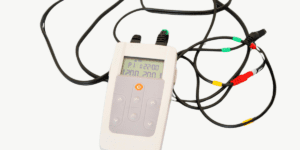
The vagus nerve is the longest cranial nerve in our body, it’s also the direct pathway between your parasympathetic nervous system and the rest of your body. Since it travels from the gut into your neck, and ultimately the brain, the vagus nerve can be stimulated by vibrating the vocal cords in the neck by singing, humming, speaking, or laughing.Another way to stimulate the vagus nerve is to use Truvaga Plus. Truvaga Plus delivers clinically-tested stimulation in convenient two-minute sessions that fit naturally into morning routines, lunch breaks, or evening wind-downs. It’s important to note that vagus nerve stimulation can bring immediate relief, but the real benefits come with consistent practice where you learn to maintain a regulated nervous system, high stress or not.
- Hone in on Your Lifestyle
Back to basics, you’ve heard it before, and you’re going to hear it again. To deal with stress, you must maintain an overall healthy lifestyle. What does that entail? Experts pretty much all agree on seven to eight hours of restorative sleep daily, ample hydration, a diet full of whole foods and fiber, with refined sugar kept to a minimum, and regular movement – these are the basic building blocks of a healthy lifestyle.
While stress-relieving activities are great for mitigating stress in the short term, our long-term stress will be negatively impacted by a lifestyle that is sedentary, doesn’t prioritize sleep, and isn’t fueling the body properly. By adjusting your lifestyle, you can reap the benefits of a regulated nervous system now and in the future.
How to Turn Stress Relief Tips Into a Daily Routine
At the end of the day, it’s easy to list all these tips out; what’s more difficult is putting them into practice. Remember, the goal of wellness and regulating your nervous system isn’t to check a box or get a proverbial gold star. The goal is to feel better today and feel even better tomorrow. You need to find habits and a routine that works for you.
Everything mentioned here are simple tool you can add to your wellness toolbox. Whether it’s your Truvaga Plus, your desk squats, or your daily smoothie, you can relieve your stress and remain focused during stressful conditions. Find the habits you enjoy and stick with them. Imagine how much better your overall wellness could be, and then put these tips into action.
Frequently Asked Questions about Stress and Vagus Nerve Stimulation
Why does stress make it so hard to focus?
Stress activates the body’s fight-or-flight response, releasing hormones like cortisol and adrenaline. While helpful in short bursts, ongoing stress keeps the nervous system in a heightened state, which can impair cognitive function, reduce concentration, and make it harder to think clearly.
Do I need intense exercise to manage stress effectively?
Not at all. The most effective movement is the kind you enjoy and will do consistently. Walking, yoga, short movement breaks, HIIT classes, or even desk squats can all help reduce stress and improve nervous system resilience.
How does vagus nerve stimulation help with stress?
The vagus nerve plays a key role in activating the parasympathetic nervous system—the “rest and digest” state. Stimulating it through activities like humming, singing, or laughing, or by using tools such as Truvaga Plus, can help calm the body, lower stress levels, and promote clarity and relaxation.
What if I struggle to stick to stress-reducing habits?
That’s completely normal. The goal isn’t perfection—it’s progress. Think of stress-management strategies as tools in a wellness toolbox. Choose the ones that feel realistic and enjoyable for you, and focus on consistency rather than checking every box.
How can reducing stress improve my overall well-being?
Lower stress levels can lead to better focus, improved mood, stronger physical health, and greater emotional resilience. Over time, these benefits compound, helping you feel better today and even better in the future.
Author bio: