US
US 

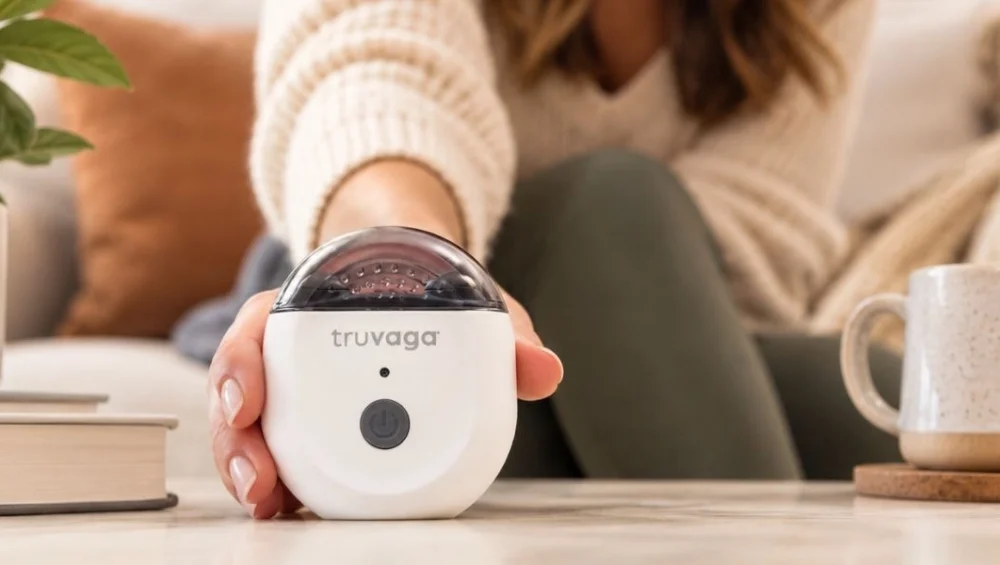
If you are researching ways to support your nervous system, you’ve likely come across both TENS units and vagus nerve stimulators (VNS). At first glance, they seem interchangeable. Both devices rely on electrical stimulation, and marketing campaigns frequently blur the lines between them. However, they’re designed for fundamentally different purposes.
While a TENS unit targets peripheral nerves to manage localized pain, a vagus nerve stimulator works directly with your autonomic nervous system to promote calm and systemic balance.
This article breaks down:
- How these technologies differ
- What each device is best suited for
- How to determine the right approach for your specific wellness goals.
What Is TENS Therapy and How Does It Work
TENS stands for Transcutaneous Electrical Nerve Stimulation. It’s a targeted therapy that sends mild electrical currents through sticky electrode pads placed on your skin. These currents target your peripheral sensory nerves- the nerves in your muscles, skin, and joints that detect sensations like touch and pain.
You’ve likely seen TENS units before. They’re small, portable devices with wires and pads commonly used at home for sore backs, achy knees, or post-workout muscle tension. When turned on, they produce a gentle buzzing or tingling sensation directly beneath the pads to interrupt pain signals before they can reach your brain.
- How it works: Electrical impulses travel through electrode pads to stimulate sensory nerves near the surface of your skin
- Primary purpose: Localized pain management, temporary relief, and muscle relaxation
- Placement: Electrodes are applied directly on or near the specific area experiencing discomfort
The bottom line: TENS therapy is local. It works exactly where you place it to manage physical pain in that specific spot.
What Is Vagus Nerve Stimulation and How Does It Work
Vagus nerve stimulation (VNS) takes a completely different approach. Rather than targeting random peripheral nerves throughout your body, VNS focuses entirely on one single powerful highway, the vagus nerve. As the longest cranial nerve in your body, it runs from your brainstem all the way down to your abdomen, connecting to your heart, lungs, and digestive system along the way.
The vagus nerve is the main control switch for your autonomic nervous system, regulating involuntary functions like heart rate, digestion, and stress responses. Stimulating it activates your parasympathetic nervous system, often called the “rest-and-digest” state, which actively counteracts the body’s “fight-or-flight” response.
- How it works: Electrical impulses stimulate the vagus nerve, signaling the brain to turn down the body’s stress response.
- Primary Purpose: Systemic regulation, nervous system balance, stress reduction, and emotional calm.
- Placement: Applied via targeted access points on the ear or the neck, rather than the site of physical pain.
There are two main forms of vagus nerve stimulation, and they work quite differently.
Implanted VNS (Surgical)
This traditional medical approach requires surgery to implant a small device in the chest with a wire wrapped around the vagus nerve in the neck. It is FDA-approved exclusively for severe, treatment-resistant conditions like epilepsy and depression under strict medical supervision.
Transcutaneous VNS (tVNS or nVNS)
This is the modern technology powering at-home wellness devices (like Truvaga). It delivers mild electrical currents externally through the skin—either via the cervical branch in the neck or the auricular branch in the ear—allowing you to access the vagus nerve without surgery, using quick daily sessions that fit into your morning routine or wind-down time before bed.
The Bottom Line: Unlike TENS, VNS is systemic and regulatory. It does not treat a localized sore muscle; instead, it sends a global signal to your brain to calm your entire nervous system.
Curious how these placements compare in more depth? See our breakdown of cervical, auricular, and wearable vagus nerve stimulation.
Key Differences: TENS vs. Vagus Nerve Stimulation
What actually separates TENS from VNS? It ultimately comes down to three factors: what they target, their primary objective, and how they affect your nervous system.
Feature | TENS Therapy | Vagus Nerve Stimulation (VNS) |
Target | Peripheral sensory nerves (skin, muscle, joints) | Vagus nerve (cranial nerve X) |
Primary objective | Localized pain relief and muscle relaxation | Systemic nervous system regulation |
Placement site | On or near pain (Contraindicated for the neck.) | Access points on neck or ear. |
Autonomic impact | None | Activates parasympathetic response |
Scope of Effect | Local | Systemic |
Let’s break down each of these differences.
Target Nerves and Placement
- TENS electrodes go wherever you feel physical pain. If you have a lower backache or a sore shoulder, you place the sticky pads directly over those muscles.
- The electrical impulses only target the peripheral sensory nerves right beneath the skin at that exact location.
- VNS devices are restricted to specific, strategic access points for the vagus nerve. Non-invasive devices target either the cervical branch in the neck or auricular branch in the ear.
Effect on the Autonomic Nervous System
This is perhaps the most important distinction between the two.
- TENS has no meaningful effect on your autonomic nervous system. It’s working locally, at the site of your pain, and that’s where its effects stay.
- VNS directly triggers parasympathetic activation. This activation can lower heart rate, reduce cortisol levels, and initiate the body’s natural relaxation response. For individuals managing chronic stress, burnout, or a stubborn inability to unwind at night, this systemic shift is exactly what makes VNS so uniquely effective.
Think of it this way: TENS is like putting an ice pack on a sore muscle; it numbs a specific, localized ache. VNS is like taking a deep, grounding breath that signals your entire nervous system that it is safe to calm down.
Can a TENS Unit Work as a Vagus Nerve Stimulator?
This question comes up frequently, and the short answer is no. While both technologies rely on electrical currents, a standard TENS unit isn’t designed, calibrated or safe for vagus nerve stimulation.
The differences go far beyond simple electrode placement:
- Stimulation parameters: VNS devices use specific frequencies, pulse widths, and intensities that have been optimized for the vagus nerve through clinical research.
- Electrode design: The shape and size of electrodes matter for reaching the vagus nerve effectively. TENS pads aren’t built for this purpose.
- Waveform: TENS units typically generate a square electrical wave, where the current shifts abruptly between high and low voltage. VNS devices like Truvaga use a smoother sine wave signal, designed for more comfortable, targeted stimulation.
Critical Safety Considerations:
Using a TENS unit on your neck or head is highly discouraged by medical professionals. The neck contains vital structures, including the carotid arteries, major airway passages, and blood-pressure-regulating baroreceptors.
Applying an uncalibrated TENS current here can trigger unintended, violent muscle contractions, disrupt your blood pressure, or send erratic electrical signals directly toward your brain—achieving the exact opposite of the calming effect you are looking for. For a closer look at these risks, see our full guide on why TENS units aren’t recommended for vagus nerve stimulation.
The Bottom Line: Slapping TENS pads on your neck or ear will not replicate VNS, and it introduces serious safety risks. For true nervous system regulation, you must use a device specifically engineered and safety-tested for that exact purpose.
Choosing Between TENS & VNS
Choosing between TENS and VNS depends largely on the specific issues you’re trying to address. They serve two completely different purposes, and knowing those differences will point you to the correct tool.
Use TENS Therapy for Localized Physical Pain:
TENS is an excellent, time-tested option if your primary goal is managing structural discomfort. It has been used for decades in physical therapy clinics and at home for:
- Chronic back pain and joint discomfort
- Post-workout muscle soreness
- Arthritis-related aches
- Nerve pain conditions like sciatica
- Tension headaches related to tight shoulder or neck muscles
Use Vagus Nerve Stimulation for Systemic Wellness & Stress
VNS is the superior choice if you are trying to manage your body’s internal environment and stress response. It works directly with your autonomic nervous system to support:
- Stress management and feelings of anxiousness
- Sleep quality improvement
- Mood and emotional balance support
- Promoting relaxation and calm
- Supporting recovery from chronic stress states
The Decision Formula: If you can point to a specific spot on your body that hurts, choose TENS. If you are dealing with an overall state of stress, fatigue, or hyper-arousal, choose VNS.
Safety, Side Effects, and Contraindications
Both TENS and VNS are generally considered safe when used as directed, though each comes with its own considerations. Knowing the side effects and contraindications—the health factors that make a treatment inadvisable—is essential before adding either device to your wellness routine
TENS therapy considerations:
- Common side effects: Localized skin irritation or redness at electrode sites, occasional muscle twitching during use.
- Contraindications: People with pacemakers or implanted defibrillators, pregnant women (particularly when placing electrodes on the abdomen or lower back), and those with certain heart conditions should avoid TENS and always consult a healthcare provider first.
Vagus nerve stimulation considerations:
- Common side effects: Mild tingling at the stimulation site during use is normal and expected.
- Contraindications: Individuals with implanted electronic devices (like pacemakers, cochlear implants) should not use VNS devices.
Modern non-invasive VNS devices like Truvaga are specifically designed with safety in mind for everyday wellness use. That said, it’s always wise to check with a healthcare provider if you have underlying health conditions or concerns.
The Final Verdict: Choosing Your Nervous System Ally
If your goal is managing chronic stress, improving sleep quality, or supporting your nervous system’s ability to shift into a calmer state, vagus nerve stimulation aligns with those objectives in ways TENS simply cannot.
Truvaga provides a handheld, app-enabled option that delivers vagus nerve stimulation in convenient two-minute sessions. It’s designed to fit into daily life, whether you use it in the morning to start your day feeling grounded or in the evening to support better sleep. The device is backed by clinical research and comes with a 30-day money-back guarantee, so you can experience the benefits for yourself.
Frequently Asked Questions About TENS and Vagus Nerve Stimulation
Is vagus nerve stimulation safe for daily use?
Non-invasive vagus nerve stimulation devices are generally considered safe for regular daily use when following the manufacturer’s guidelines. Individuals with pacemakers, implanted electronic devices, or certain cardiac conditions may want to consult their healthcare provider before starting. For most people, daily use is not only safe but recommended for building cumulative benefits.
How long does vagus nerve stimulation take to show results?
Many people may notice a sense of calm immediately after a session; that’s the parasympathetic activation at work. Cumulative benefits for stress management and sleep quality typically develop over consistent daily use, spanning several weeks. Think of it like exercise: individual sessions help, but regular practice builds lasting change in how your nervous system responds to stress.
Can you use a TENS unit and a vagus nerve stimulator together?
Yes, you can use both therapies, but you should not use them at the same exact time. Since TENS and VNS target different nerves and serve different purposes, using both isn’t inherently problematic. TENS addresses localized pain while VNS supports nervous system regulation. However, consulting a healthcare provider before combining electrical stimulation therapies ensures the approach aligns with your individual health situation and goals.
Author bio: