US
US 


Your nervous system wasn’t designed for the relentless pace of modern life. When stress becomes chronic, your body can get stuck in a state of high alert — unable to shift into the calm, restorative mode it needs to recover.
The vagus nerve is your body’s built-in pathway back to balance. This article explores what vagus nerve stimulation actually does for mental wellness, practical ways to achieve it, and how to build these techniques into your daily routine and beyond.
Understanding the Vagus Nerve and Its Role in Mental Health
The vagus nerve is the longest cranial nerve in your body. It runs from your brainstem down through your neck, chest, and abdomen, connecting your brain to your heart, lungs, and digestive system along the way. Think of it as a communication highway between your brain and your body’s major organs.
This nerve controls your body’s ability to calm down after stress. When it’s working well, your heart rate slows, your breathing deepens, and your muscles relax. When it’s not functioning optimally, you might find yourself stuck in a state of tension—unable to unwind even when the stressor has passed.
- Vagal tone: This term describes how efficiently your vagus nerve helps you recover from stress. Higher vagal tone means faster recovery. Lower vagal tone often shows up as lingering anxiousness or difficulty relaxing.
- The gut-brain connection: About 80% of vagus nerve fibers carry sensory information from the body’s organs to the brain. Because a massive portion of these fibers originate in the gastrointestinal tract, it explains why digestive issues and mood disturbances so often appear together.
What Vagus Nerve Stimulation Is and How It Works
Vagus nerve stimulation, VNS, is a therapy that sends gentle electrical impulses through your neck, or sometimes the ear, to activate the vagus nerve. It was originally developed as a surgically implanted device for epilepsy and treatment-resistant depression. However, the technology has evolved considerably since then.
Today, non-invasive options deliver stimulation through the skin — without any surgery required. These external devices have made vagus nerve stimulation accessible for everyday wellness, not just clinical treatment
When the vagus nerve receives gentle electrical impulses, it triggers the parasympathetic nervous system. This is your body’s “rest-and-digest” mode, the opposite of the “fight-or-flight” response that keeps you on edge. Many people notice a sense of calm within minutes of a session.
How Vagus Nerve Stimulation Supports Mental Wellness
Calming the Stress Response
When you’re under chronic stress, your body releases cortisol almost constantly. Cortisol, the stress hormone, is helpful in short bursts, but problematic when it never turns off. VNS helps interrupt this cycle by activating the relaxation response.
Over time, regular vagus nerve stimulation can help reset your baseline. Instead of operating from a place of high alert, your nervous system learns to find calm more easily. It’s a bit like training a muscle—the more you practice, the stronger the response becomes.
Improving Mood and Emotional Regulation
Your vagal tone directly affects how well you bounce back emotionally from difficult moments. People with higher vagal tone tend to experience more stable moods and greater emotional resilience. They recover from setbacks faster and don’t get knocked off balance as easily.
The vagus nerve also influences neurotransmitters like serotonin, which plays a key role in mood regulation. By supporting healthy vagal function, you’re giving your brain chemistry a gentle assist without medication.
Reducing Inflammation Linked to Mental Health
Here’s something that might surprise you: inflammation and mental health are closely connected. The vagus nerve controls what researchers call the “inflammatory reflex,” a pathway that helps regulate inflammation throughout your body.
Chronic inflammation has been linked to depression, anxiety, and cognitive difficulties. VNS can help lower inflammatory markers, potentially addressing one of the underlying factors that contribute to mental health challenges. It’s not just about feeling calmer in the moment—it’s about supporting your body’s overall balance.
Supporting Better Sleep and Recovery
Activating the parasympathetic nervous system prepares your body for restful, restorative sleep. When your vagus nerve is functioning well, the transition from wakefulness to sleep becomes smoother and more natural.
Poor vagal tone, meanwhile, often shows up as restless nights, difficulty falling asleep, or waking up still feeling exhausted. Supporting your vagus nerve can help break this frustrating pattern and improve the quality of your rest.
Ways to Stimulate Your Vagus Nerve for Mental Wellness
Deep and Diaphragmatic Breathing
Slow belly breathing is one of the simplest ways to activate your vagus nerve. The key is making your exhale longer than your inhale—try breathing in for four counts and out for six to eight counts.
This works because the vagus nerve responds to the mechanical stretch of your diaphragm. Even a few minutes of intentional breathing can shift your nervous system toward calm. You can do it anywhere, anytime, without any equipment.
Humming, Chanting, and Singing
Your vagus nerve heavily innervates your throat muscles and vocal cords through its laryngeal branches. When you hum, chant, or sing, the muscular contraction and vocal vibrations directly stimulate the nerve.
You don’t have to be a good singer for this to work. Even humming quietly to yourself creates enough vibration to activate the vagal response. Some people find that chanting “om” or simply humming a favorite tune for a few minutes makes a noticeable difference.
Cold Water Exposure
A splash of cold water on your face or ending your shower with 30 seconds of cold water can trigger vagal activation. The sudden temperature change stimulates what’s called the dive reflex, which immediately engages the parasympathetic nervous system.
This one takes some getting used to, but many people find it surprisingly effective for a quick reset.
Meditation and Mindfulness
Regular mindfulness practice has been shown to improve vagal tone over time. The focused attention and breath awareness involved in meditation naturally support vagus nerve function.
You don’t have to meditate for an hour to see benefits. Even five to ten minutes of focused breathing or body awareness can make a difference when practiced consistently.
Handheld Non-Invasive Vagus Nerve Stimulation Devices
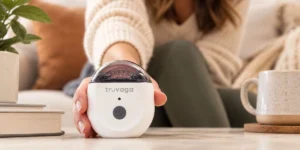
For targeted, consistent stimulation, non-invasive VNS devices offer a convenient option. These handheld tools deliver gentle electrical impulses directly to the vagus nerve through the skin on your neck.
Devices like Truvaga Plus provide quick two-minute sessions that fit easily into daily routines—no medication required, no complicated setup. It’s a way to give your nervous system dedicated support without adding complexity to your day.
How to Incorporate Vagus Nerve Stimulation Into Your Daily Life
Step 1. Set a Daily Mental Wellness Intention
Prioritizing your nervous system doesn’t have to be complicated. Start by choosing one VNS approach to commit to throughout the month — and if you want the most impactful option, a dedicated VNS device like Truvaga is the best place to start. For those looking to complement their primary practice, supplementary methods like breathwork, humming, or cold exposure can also play a supporting role.
Having a clear intention makes it easier to build consistency. You’re not trying to overhaul your entire routine, just adding one small practice that supports your nervous system. And using a tool like Truvaga, that is safe to use and backed by research, means you’re giving that practice the strongest possible foundation.
Step 2. Add a Two-Minute Vagus Nerve Session to Your Morning
Beginning your day with vagus nerve stimulation sets a calm foundation before daily stressors arrive. Even a brief session can shift your nervous system into a more balanced state.
Consider pairing it with something you already do—right after brushing your teeth or while your coffee brews. Linking a new habit to an existing one makes it easier to remember.
Step 3. Use Stimulation to Reset During Stressful Moments
VNS doesn’t have to be limited to scheduled sessions. When stress spikes during the day, a quick breathing exercise or a session with a portable device can help you reset in real time.
This is where having a tool like Truvaga Plus becomes especially practical—it’s designed for on-the-go use whenever you notice tension building.
Step 4. Wind Down With Evening Vagal Activation
An evening VNS routine helps transition your body into rest mode. This prepares your nervous system for deeper, more restorative sleep.
Try incorporating gentle humming, slow breathing, or a device session about 30 minutes before bed. The goal is to signal to your body that the day’s demands are over and it’s time to recover.
Make Vagus Nerve Stimulation Part of Your Mental Wellness Journey
Building vagal tone is a gradual process, not an overnight fix. The benefits accumulate with consistent practice, and right now is as good of a time as any to begin.
Whether you start with simple breathing exercises or explore targeted stimulation with a device, you’re taking a meaningful step toward supporting your nervous system. Small, daily actions add up to lasting change.
Frequently Asked Questions About Vagus Nerve Stimulation and Mental Wellness
How long does it take for vagus nerve stimulation to improve mental health?
Many people notice a sense of calm immediately after a session. However, building lasting vagal tone and sustained mental wellness benefits typically develops with consistent daily use over several weeks. Think of it like exercise—you might feel good after one workout, but the real transformation happens with regular practice.
Is non-invasive vagus nerve stimulation safe to use every day?
Non-invasive VNS devices are designed for daily use and are generally considered safe for most adults when used as directed. If you have specific health concerns or a pacemaker, consulting with a healthcare provider first is a good idea.
Can vagus nerve stimulation replace therapy or medication for mental health?
VNS works best as a complementary tool alongside professional mental health care, not as a replacement for therapy or prescribed medication. It’s one piece of a larger wellness picture—helpful on its own, but even more effective when combined with other supportive practices.
What does non-invasive vagus nerve stimulation feel like during a session?
Most users describe a gentle tingling or pulsing sensation on the neck where the device makes contact. The feeling is typically comfortable and non-painful—more like a mild vibration than anything sharp or uncomfortable.
Author bio: