US
US 

Women carry a large share of the physical and mental load for their families. Providing childcare, working a job, doing housework, keeping healthy meals on the table, and maintaining friendships and associations all take their toll. Add to that the often stressful and sometimes life-stalling issues unique to women, such as “that time of the month”, pregnancy, menopause, making them very vulnerable to stress and burnout.
Why Women Are More Vulnerable to Stress (And What to Do About It)
A study published in Science Progress found that women are more susceptible to stress than men due to a combination of hormonal fluctuations, brain chemistry, and biological responses to, and processing of, stress..1 And according to a study reported in the Journal of the American College of Cardiology, chronic or overwhelming stress can lead to physical conditions, such as heart disease, as well as mood and anxiety disorders.2
Every woman needs tools to calm her nervous system and help her cope with stress and overwhelm before they become larger problems.
The Flexible Approach to Stress Management That Actually Works
Building a variety of healthy habits into your life over the long term is crucial for managing stress in the short term. When you have several healthy habits or tools at your disposal, using them for short-term stress relief becomes second nature.
The key is to be flexible.
Adults who have several coping strategies have a greater capacity to maintain a healthy lifestyle, which in turn can decrease stress and anxiousness.3 When you have a variety of habits or tools in your toolbox, you can more easily find one that will work for a particular situation. For example, if one coping method that worked last fall doesn’t seem to have the same effect this time around, try another one or try combining it with another tool.
What are some tools you can put in your toolbox to calm your nervous system and address stress before they become bigger problems?
Release, Don't Repress: Why Talking About Stress Is a Health Strategy
Holding your emotions in for long periods is harmful to your health. Seeking emotional support from a friend or relative can help you release negative emotions. It’s important to develop supportive relationships that can help you cope with stressors and even maintain other healthy habits over time.3 If you are struggling with stress or anxiousness, reach out to a friend or family member and express your emotions. “Venting” these negative emotions in a positive way can be very beneficial.
Rewire Your Brain for Resilience with a Daily Gratitude Practice
On the flip side, worrying or focusing exclusively on your problems can cause more anxiousness and depression.
Studies have shown that people who look for the good things in life and express gratefulness for those things have better mental health than those who tend to focus primarily on the bad.4 They also tend to have better moods and more positive emotions over time and are more likely to look outside themselves for ways to help others, which, in turn, leads to even more feelings of well-being. People who developed an “attitude of gratitude” report less pessimism, unhappiness, pain, and toxic emotions such as anger or loneliness.
Take a few minutes every day to reflect on the positive things in your life:
- Keep a gratitude journal and write in it every day.
- Write a letter to a friend telling them why you appreciate them.
- After venting to a friend about stressful things, tell them the good things as well.
Breathe Through It: Simple Techniques to Regulate Your Nervous System
Deep breathing exercises can decrease stress by regulating your breathing and heart rate.5 They are a great tool to have in your stress-relieving toolbox because they don’t take long, can be done anywhere, and don’t require any equipment. Although sessions that are longer than 5 minutes at a time give you the greatest benefit, shorter sessions lasting just a few seconds or minutes can also help calm your body and mind.
Try different types of deep-breathing exercises to see which works best for you.6
Eat to Beat Stress: Anti-Inflammatory Foods That Support Mental Health
Women are prone to inflammation, and chronic inflammation is associated with poor moods and decreased mental well-being, which can lead to physical conditions such as diabetes.7 Whole-food diets, such as the Mediterranean diet, can decrease inflammation, reduce stress perception, and lower your risk of mood disorders.
Certain foods can be particularly helpful in decreasing stress.8 Try to increase your intake of:
- Dietary fiber
- Omega-3 fatty acids, such as those found in fatty fish, seafood, or chia and flax seeds
- Aged, fermented, and cultured foods, such as natural yogurt, kefir, sauerkraut, kombucha, kimchi, apple cider vinegar, or fermented vegetables.
- Golden spice turmeric with a pinch of black pepper to help your body absorb it. Use it as a seasoning to add flavor to your meals or add a teaspoon to soups, smoothies, pudding, or tea.
And remember to stay hydrated.9 Water and some types of teas not only keep you hydrated but can help you relax, even benefitting mental health in some people.10 But be careful if you are taking medications, as some herbal teas can interact with them or affect certain medical conditions. Talk to your doctor before starting any new herbal teas.
Avoid caffeine, alcohol, and artificial sweeteners as they can contribute to anxiousness.
Why Your Hobbies Are a Secret Weapon Against Stress and Burnout
Research indicates that engaging in a creative, non-digital hobby may help reduce stress and anxiety.11 Hobbies can help you focus on something other than the stressors in your life. Learning a new hobby or increasing your skill in a familiar one can contribute to personal growth and encourage social connections, decreasing anxiety and depression and reducing the risk of developing them.
Sleep Is a Nervous System Tool: Here's How to Actually Get Enough
Adults need 7-9 hours of quality sleep each night to reduce stress, improve memory, and lower the risk of getting sick.12 Getting good quality sleep can be a challenge, but there are some things you can do that may help:
- Go to bed at the same time each night and wake up at the same time each morning.
- Avoid drinking alcohol or eating large meals before bedtime.
- Avoid electronic devices within a half hour of bedtime.
- Keep your bedroom cool and quiet.
- Avoid caffeine after noon.
Move to Manage Stress: The Minimum Exercise Women Need for Results
An active lifestyle can decrease the risk of anxiety, depression, and psychological distress.13
About 150 minutes of moderate activity a week can reduce stress, help you manage your weight, and lower your risk of some chronic diseases, such as heart disease, type 2 diabetes, and some forms of cancer.14 Try to get about 30 minutes a day of moderate intensity activity. Break it up into smaller time frames if that works better for you. Three 10 minute walks provide about the same benefits as one longer 30 minute walk.
Activate Your Body's Calm Response with Vagus Nerve Stimulation
The vagus nerve is an important part of your nervous system. It runs throughout your body, connecting your heart, lungs, and other sensory organs.
Vagus nerve stimulation (VNS) can have anti-inflammatory effects in the body and regulate essential systems such as your heart rate, breathing, and mood.15 VNS has been approved to treat a variety of medical conditions, such as epilepsy, headaches, and depression, and may also be beneficial to reduce stress and anxiousness in the moment.
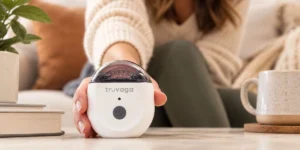
Truvaga devices are a safe and effective solution that gently activates your vagus nerve. Just two 2-minute sessions twice a day can help reduce stress and anxiousness, taking you from overwhelmed to resilient.
FAQs for Resilience, Nervous System Tools and the Vagus Nerve
Why are women more vulnerable to nervous system imbalance than men?
Women experience unique biological stressors throughout their lives—including hormonal fluctuations tied to menstruation, pregnancy, and menopause—that can directly impact nervous system regulation, making them more susceptible to anxiety and depression. Layered on top of that, women tend to carry a greater share of caregiving and household responsibilities, creating a chronic stress load that keeps the nervous system in a prolonged state of overdrive. Over time, this combination of biological and lifestyle factors makes nervous system imbalance a very real and common challenge for women.
What are the best tools to calm your nervous system quickly?
For fast nervous system relief, deep breathing exercises and vagus nerve stimulation are among the most effective options. Both can be done in minutes, and have measurable effects on heart rate, mood, and anxiousness. Truvaga’s vagus nerve stimulator requires just two 2-minute sessions, twice a day.
Can I use multiple stress-relief tools together?
Absolutely—and that’s actually the most effective approach. Research shows that having a variety of coping strategies gives you greater flexibility to handle different types of stress. You might combine deep breathing with vagus nerve stimulation, pair a gratitude journal with regular exercise, or use herbal tea and a consistent sleep schedule together for compounding benefits.
What does it mean to “calm your nervous system”?
Calming your nervous system means shifting your body out of a stress response, “fight-or-flight” mode, and into a relaxed, regulated state, “rest-and-digest” mode. This can be achieved through tools like deep breathing, vagus nerve stimulation, physical activity, and healthy sleep habits.
References:
- Ebong, Imo A, et al. “The Role of Psychosocial Stress on Cardiovascular Disease in Women.” Journal of the American College of Cardiology, vol. 84, no. 3, 1 July 2024, pp. 298–314, https://doi.org/10.1016/j.jacc.2024.05.016. Accessed 29 July 2024.
- Farhane-Medina, Naima Z., et al. “Factors Associated with Gender and Sex Differences in Anxiety Prevalence and Comorbidity: A Systematic Review.” Science Progress, vol. 105, no. 4, Oct. 2022, journals.sagepub.com/doi/full/10.1177/00368504221135469, https://doi.org/10.1177/00368504221135469.
- Trudel-Fitzgerald, Claudia, et al. “Are the Ways Women Cope with Stressors Related to Their Health Behaviors over Time?” Annals of Behavioral Medicine, vol. 59, no. 1, 1 Jan. 2025, doi.org/10.1093/abm/kaaf006, https://doi.org/10.1093/abm/kaaf006. Accessed 17 Feb. 2025.
- Diniz, Geyze, et al. “The Effects of Gratitude Interventions: A Systematic Review and Meta-Analysis.” Einstein (São Paulo), vol. 21, no. 21, 31 July 2023, pmc.ncbi.nlm.nih.gov/articles/PMC10393216/, https://doi.org/10.31744/einstein_journal/2023rw0371.
- Bentley, Tanya G. K., et al. “Breathing Practices for Stress and Anxiety Reduction: Conceptual Framework of Implementation Guidelines Based on a Systematic Review of the Published Literature.” Brain Sciences, vol. 13, no. 12, 21 Nov. 2023, p. 1612, pmc.ncbi.nlm.nih.gov/articles/PMC10741869/, https://doi.org/10.3390/brainsci13121612.
- Starling Minds. “Breathing Exercises.” National Head Start Association, Aug. 2022, nhsa.org/wp-content/uploads/2022/08/3.-Exercise_9-Breathing-Techniques.pdf.
- Maydych, Viktoriya. “The Interplay between Stress, Inflammation, and Emotional Attention: Relevance for Depression.” Frontiers in Neuroscience, vol. 13, 24 Apr. 2019, www.ncbi.nlm.nih.gov/pmc/articles/PMC6491771/, https://doi.org/10.3389/fnins.2019.00384.
- Naidoo, Uma. “Eat to Beat Stress.” American Journal of Lifestyle Medicine, vol. 15, no. 1, 8 Dec. 2020, pp. 39–42, www.ncbi.nlm.nih.gov/pmc/articles/PMC7781050/, https://doi.org/10.1177/1559827620973936.
- Castro-Alija, María José, et al. “Association between Anxiety Status and Hydration Status in Spanish University Students.” Nutrients, vol. 16, no. 1, 1 Jan. 2024, p. 118, www.mdpi.com/2072-6643/16/1/118, https://doi.org/10.3390/nu16010118.
- Kenda, Maša, et al. “Medicinal Plants Used for Anxiety, Depression, or Stress Treatment: An Update.” Molecules, vol. 27, no. 18, 1 Jan. 2022, p. 6021, www.mdpi.com/1420-3049/27/18/6021/htm, https://doi.org/10.3390/molecules27186021.
- Cleary, Michelle, et al. “Exploring the Impact of Hobbies on Mental Health and Well-Being: A Scoping Review.” Issues in Mental Health Nursing, 9 June 2025, pp. 1–11, https://doi.org/10.1080/01612840.2025.2512006.
- Center for Disease Control. “About Sleep.” Cdc.gov, CDC, 15 May 2024, www.cdc.gov/sleep/about/index.html.
- White, Rhiannon L., et al. “Physical Activity and Mental Health: A Systematic Review and Best-Evidence Synthesis of Mediation and Moderation Studies.” International Journal of Behavioral Nutrition and Physical Activity, vol. 21, no. 1, 28 Nov. 2024, ijbnpa.biomedcentral.com/articles/10.1186/s12966-024-01676-6, https://doi.org/10.1186/s12966-024-01676-6.
- CDC. “Moving Matters for My Health.” Moving Matters, 2024, www.cdc.gov/moving-matters/about/index.html.
- Chen, Zhen, and Kezhou Liu. “Mechanism and Applications of Vagus Nerve Stimulation.” Current Issues in Molecular Biology, vol. 47, no. 2, 14 Feb. 2025, p. 122, www.mdpi.com/1467-3045/47/2/122, https://doi.org/10.3390/cimb47020122.
Author bio: